
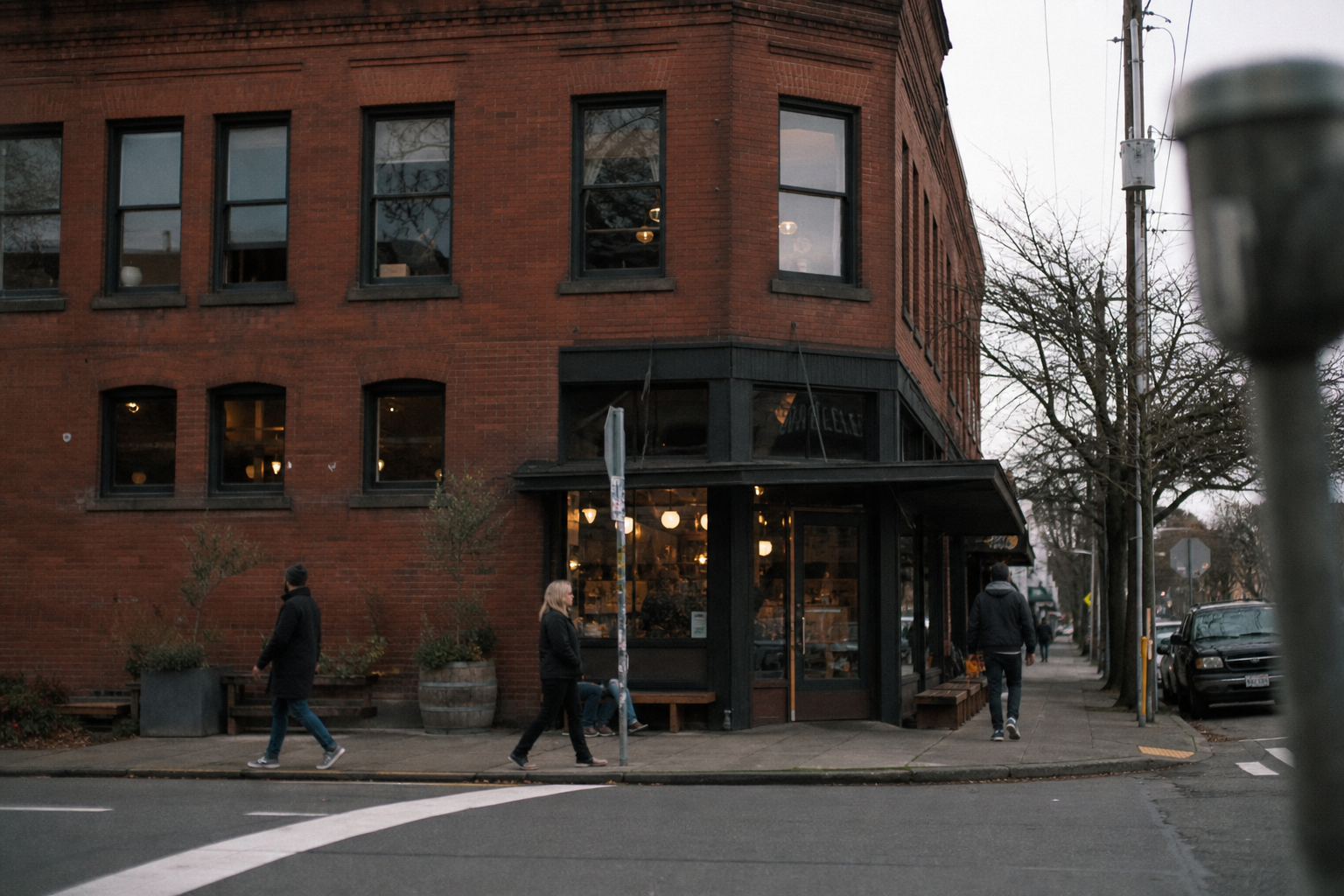
To rank in Seattle, you have to think small. Real small. Your customers don't search for "roofer in Seattle." They search for "roofer in Ballard" or "plumber in West Seattle." If you treat the entire Puget Sound region as a single audience, you're leaving money on the table. The key to effective local SEO is the neighborhood landing page.
What Are Neighborhood Landing Pages?
A neighborhood landing page is a page on your website dedicated exclusively to one specific neighborhood you serve. It is not a copy-and-paste of your homepage with the neighborhood name swapped out. It is a unique, content-rich page that speaks directly to the residents of that specific community, addressing their needs and reflecting their local culture.
For a Bellevue-based electrician, this means having separate pages for Crossroads, Downtown Bellevue, and maybe even Medina. Each page acknowledges the unique character and needs of those specific areas.
Why Do Landing Pages Matter for Seattle SEO?
Google prioritizes providing the most relevant results. When a user in the Fremont neighborhood searches "best coffee near me," they expect to see cafes within walking distance, not a list of every coffee shop in Seattle. By creating a page for "Fremont Coffee," a roaster proves its relevance to that specific searcher.
Think about the difference in search intent between Seattle's neighborhoods.
- Ballard: With its maritime roots and strong Scandinavian heritage, a user here might search for "marine hardware Ballard" or "family-friendly brewery Ballard." A generic page won't capture this specific intent.
- Capitol Hill: The demographic is younger, more transient, and arts-focused. Searches are more likely to be for "late-night vegan food Capitol Hill" or "independent bookstore Capitol Hill." The language and imagery you use must reflect this vibe.
- Bellevue: On the Eastside, the search context shifts again. You’ll find queries like "luxury car detailing Bellevue," "B2B tech consulting," or "best private schools near me." The focus is often on high-end services and professional industries.
By creating dedicated pages, you tell Google that you are a local authority in each of these distinct markets.
"We advise clients to think like a neighborhood local. What landmarks are nearby? What are the common problems people face in the area? A plumber in the older homes of Queen Anne deals with different issues than one in the new construction of South Lake Union. Your content must reflect that reality."
What Goes on a Neighborhood Landing Page?
Effective neighborhood pages build trust and demonstrate local expertise. They are not just an SEO exercise. Use this checklist as a starting point:
- Neighborhood-Specific Title: "Your Trusted Plumber in Ballard, Seattle."
- Unique Local Content: Briefly discuss the neighborhood. Mention the Ballard Locks, the historic district, or the Sunday Farmers Market. Show you know the area.
- Local Proof: Include photos of your team working on a job in that neighborhood. A shot of your work van parked in front of a recognizable Fremont troll is more powerful than a stock photo.
- Neighborhood Testimonials: Feature reviews from customers who live in that specific area. A quote from a homeowner in Tacoma carries more weight on your Tacoma page than a review from someone in Seattle.
- Targeted Services: Highlight services that are particularly relevant to the neighborhood. Are you a landscaper? Your Bellevue page might feature high-end water features, while your Rainier Valley page could focus on sustainable, low-maintenance gardens.
- Embedded Map: Show a map of your service area with the specific neighborhood clearly marked.
Stop thinking of "Seattle" as your market. Your market is a collection of distinct, unique neighborhoods. Start building pages for them, and you will start winning the local searches that matter.
Ready to define your neighborhood strategy? Get in touch for a /free-website-audit-report.
Seattle agency · Seattle, WA
A full-service digital agency working in WordPress, Drupal, Shopify, Webflow, React, and React Native. We partner with universities, nonprofits, governments, and growing brands to ship sites that hold up after launch.