Tell us about your nonprofit website
A senior engineer reads every message and replies within one working day.
Most nonprofit websites are built the way most nonprofit budgets are built: whatever was affordable this year, bolted onto what was affordable three years ago. The result is a site that mostly works, sometimes converts, and quietly leaks program revenue every month. Here are the eight things a nonprofit website actually needs in 2026, in the order we usually prioritize them.
1. A fast, mobile-first foundation
If your page takes more than three seconds to become interactive on a phone, everything else on this list is compromised. Core Web Vitals (LCP under 2.5s, INP under 200ms, CLS under 0.1) are the floor, not the target. See how to fix slow nonprofit websites for the fix.
2. A donation experience built like a product
Not a form on a page. A funnel: dedicated landing pages per campaign, a form that asks the minimum, a clearly disclosed recurring-gift choice, mobile wallets enabled, inline payment, and a thank-you page that inspires. Measure this journey against your own completed gifts before estimating its contribution to revenue.
3. Program pages that tell a specific story
Generic mission language does not fundraise. Program pages should open with the specific outcome (children fed, veterans housed, acres restored), the specific number, and the specific person or place. Then explain the model. Then ask for support.
4. An impact reporting layer
Donors in 2026 expect to see the outcomes of last year's gifts before they consider next year's. A public impact dashboard, an annual outcomes page, and regular email updates can help supporters understand what their gifts fund; measure retention rather than assuming an uplift.
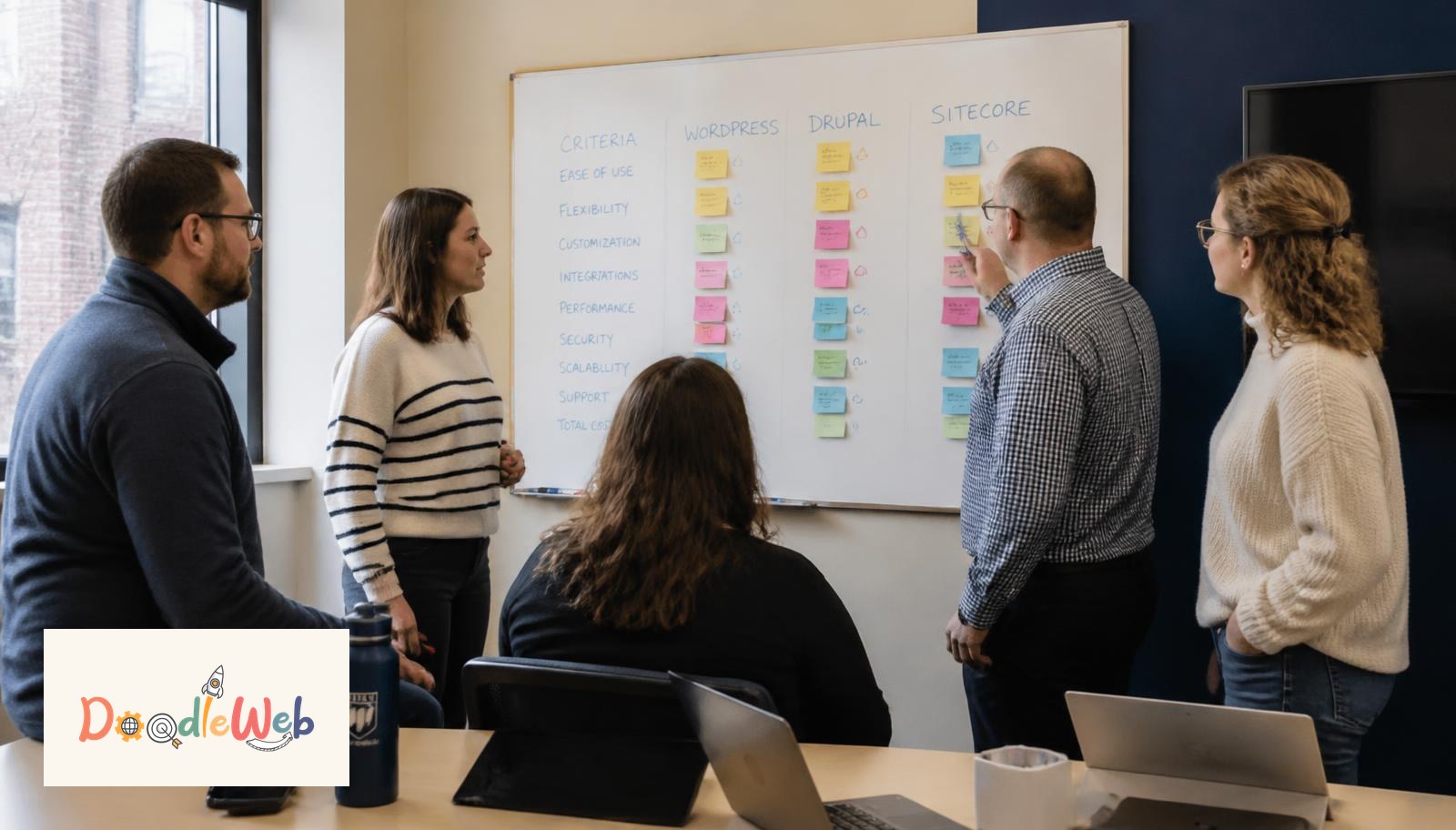
5. A CMS your team can actually publish in
A program director should be able to publish a story or update a page without a ticket. If they cannot, you will not have a healthy content operation. WordPress, Webflow, or another supported CMS may fit; evaluate publishing workflows, integrations, accessibility, and ownership instead of selecting by revenue alone.
6. A volunteer and event experience that respects people's time
A prospective volunteer should find "how to help," complete a screener, and pick a shift in under three minutes. Test the steps with prospective volunteers and remove unnecessary work while retaining essential screening.
7. Accessibility that meets WCAG 2.2 AA
Ethically because your beneficiaries and donors include people with disabilities. Confirm applicable legal obligations with qualified advice. In practice, accessible content helps people complete tasks; it does not guarantee conversion gains, rankings, or AI citations.
8. A publishing rhythm that earns AI citations
Publish one thoughtful, question-shaped guide per program per quarter. Add FAQ blocks on every meaningful page. Cite your own data. Get named by third-party media. This makes information easier to inspect and maintain; citations in ChatGPT, Perplexity, and Google AI Overviews are not guaranteed.
What should we do first?
If you can only do three of these in the next year, do 1, 2, and 4. Prioritize a fast site, a clear donation experience, and honest impact reporting, then use your own evidence to assess the result.
What should we not do?
Do not chase features (chatbots, VR tours, blockchain donations, AI recommenders) before the foundation is right. A great chatbot on a slow, inaccessible site with a weak donation form is theater. The features that matter are the ones donors and volunteers use every week.
How much should this cost?
Realistic 2026 ranges for a full nonprofit website rebuild by a senior team:
- Request a scoped estimate covering content, templates, integrations, testing, training, and ongoing support; the price and delivery date depend on the agreed work.
A lower quote may cover a narrower scope. Compare templates, migration, integrations, accessibility testing, and campaign traffic requirements before judging either proposal.
Where to go next
Read how to improve nonprofit online donations, the nine reasons nonprofits struggle with online donations, and the nonprofit website development guide for online giving. Or book a free nonprofit website audit.
Frequently asked questions
/What should we review before changing our nonprofit website?
Start with the visitor task, the affected templates, accessibility barriers, publishing workflow, and integrations. Use actual visitor and editor evidence to prioritize the work rather than choosing features first.
/Do we need a full rebuild?
Not necessarily. A focused repair may address the problem if the content model and supported platform are suitable. Compare repair and rebuild scope after documenting the causes and ongoing support requirements.
/How much will the work cost?
The price depends on templates, migration, integrations, accessibility testing, training, and ongoing care. Review DoodleWeb pricing and request an itemized proposal rather than relying on a sector-wide price range.
/Can these changes guarantee more donations or applications?
No. Outcomes also depend on audience, campaign quality, program demand, and other factors. Agree on baseline measurements and review completed visitor tasks after changes.
/How can DoodleWeb help us assess the next step?
Use the contact form on this page to share the site, visitor task, and current constraints. Review the relevant published case study and ask for a scope covering assessment, implementation, testing, and handover.
Relevant client work
Miles Nadal Jewish Community Centre is a DoodleWeb client. We do not claim donation results for this engagement.
Young Americans Center: one platform, distinct audiences
Our published case study describes a shared WordPress component system for financial-education programs and the bank, with separate editorial tracks. It illustrates audience clarity and content organization, not a measured donation uplift.
Read the case study →Turn the eight requirements into acceptance criteria, not a wish list.
- Ask a program editor to publish a complete page without developer help.
- Test a donation, a volunteer inquiry, and a program registration on a phone.
- Name the owner of updates, backups, accessibility checks, and content reviews.
Sources and fact-check report
Reviewed 2026-10-05. Site sources substantiate published project scope and client recognition, not independently audited outcomes. Recommendations are editorial guidance, not revenue, ranking, compliance, price, or delivery guarantees.
- DoodleWeb Brand Book / brand guidelines
- DoodleWeb published identity and client recognition
- Published project scope: Young Americans Center
- W3C WCAG 2.2: Level AA conformance criteria
- Google web.dev: Core Web Vitals definitions and thresholds
- Reviewed claim: This is where roughly 80 percent of your online revenue is won or lost.
Resolution:Measure this journey against your own completed gifts before estimating its contribution to revenue.
- Reviewed claim: A public impact dashboard, an annual outcomes page, and quarterly email updates dramatically increase both retention and average gift.
Resolution:A public impact dashboard, an annual outcomes page, and regular email updates can help supporters understand what their gifts fund; measure retention rather than assuming an uplift.
- Reviewed claim: WordPress, Webflow, or Craft are all reasonable choices for nonprofits under $10M in revenue.
Resolution:WordPress, Webflow, or another supported CMS may fit; evaluate publishing workflows, integrations, accessibility, and ownership instead of selecting by revenue alone.
- Reviewed claim: Every extra step costs volunteers, and volunteers are your second most important currency after donors.
Resolution:Test the steps with prospective volunteers and remove unnecessary work while retaining essential screening.
- Reviewed claim: Legally because ADA complaints against nonprofit websites are climbing every year. Practically because accessible sites also convert better, rank better, and read better in AI Overviews.
Resolution:Confirm applicable legal obligations with qualified advice. In practice, accessible content helps people complete tasks; it does not guarantee conversion gains, rankings, or AI citations.
- Reviewed claim: This is what earns your organization citations in ChatGPT, Perplexity, and Google AI Overviews when a potential donor asks about causes to support.
Resolution:This makes information easier to inspect and maintain; citations in ChatGPT, Perplexity, and Google AI Overviews are not guaranteed.
- Reviewed claim: A fast site with a serious donation experience and honest impact reporting outperforms a beautiful site with none of those, every time.
Resolution:Prioritize a fast site, a clear donation experience, and honest impact reporting, then use your own evidence to assess the result.
- Reviewed claim: Anything under $15k for a real nonprofit rebuild is either a template swap or offshore resell that will not survive an accessibility audit or a giving-day traffic spike.
Resolution:A lower quote may cover a narrower scope. Compare templates, migration, integrations, accessibility testing, and campaign traffic requirements before judging either proposal.
- Reviewed claim: - Small nonprofit (under $2M revenue): $25k to $80k.
Resolution:- Request a scoped estimate covering content, templates, integrations, testing, training, and ongoing support; the price and delivery date depend on the agreed work.
- Reviewed claim: - Mid nonprofit ($2M to $15M): $60k to $180k.
Resolution:- Request a scoped estimate covering content, templates, integrations, testing, training, and ongoing support; the price and delivery date depend on the agreed work.
- Reviewed claim: - Large nonprofit ($15M+): $150k to $500k.
Resolution:- Request a scoped estimate covering content, templates, integrations, testing, training, and ongoing support; the price and delivery date depend on the agreed work.
Seattle agency · Seattle, WA
A full-service digital agency working in WordPress, Drupal, Shopify, Webflow, React, and React Native. We partner with universities, nonprofits, governments, and growing brands to ship sites that hold up after launch.