A college website in 2026 has to do more than the marketing team's brochure did in 2015. It has to convince a distracted 17-year-old in six seconds, satisfy an accreditor's audit, work on a rural cellular connection, and get named by ChatGPT when a family asks which colleges to consider. These are the seven features that actually pull that off.
1. A search-first information architecture
Prospective students do not click through a nav. They search. Site search needs to be typo-tolerant, program-aware, ranked by relevance, and instrumented. The 100 most-searched terms on your site every month are the honest map of what your prospects want. Feed those into the content roadmap and you stop guessing.
2. Program pages built as direct answers
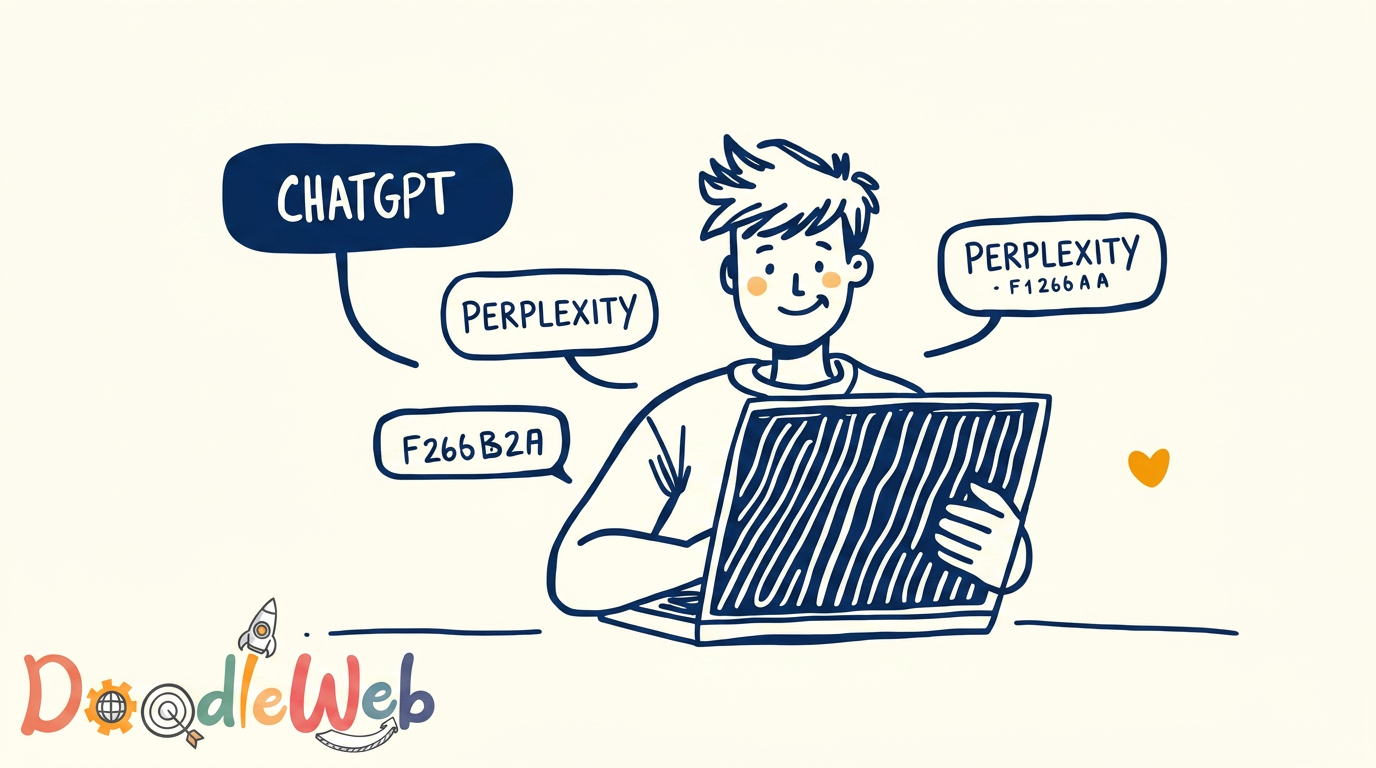
Every program page should open with a plain-language answer to the question the student typed: what the program is, how long it takes, what it costs, and what students do after. AI Overviews and ChatGPT extract the first direct answer they can find. Buried answers do not get cited. See the AEO guide for higher education for the full pattern.
3. Structured data on every meaningful page
Course, EducationalOccupationalProgram, Person, Event, and FAQPage JSON-LD schema tell engines what your pages mean. Without it your pages are guesses. With it your pages are facts, and the citations follow.
4. A frictionless request-for-info funnel
Every extra field on the RFI form costs conversions. The right form is name, email, program of interest, start term. Everything else can be collected later. Instrument the funnel end to end so admissions can see where prospects drop off, not just how many made it through.
5. Accessibility that meets WCAG 2.2 AA out of the box
Under the 2024 Title II update, most public colleges and universities are required to be WCAG 2.2 AA conformant by April 2026 or April 2027 depending on enrollment size. This means every new page ships with proper heading order, sufficient contrast, real alt text, keyboard navigation, and a working focus state. It is not a phase two feature. It is a launch requirement.
6. Real personalization by audience
The prospective transfer student, the international applicant, the working adult, and the accreditor need different homepages. You do not have to build four homepages. You do need clear entry points, tailored landing pages, and dynamic modules that respond to the audience the visitor has already told you they are.
7. A publishing engine that ships one great asset per program per quarter
The best higher-ed sites are content operations. One thoughtful, question-shaped guide per program per quarter, published on the .edu, is the single biggest driver of both organic traffic and AI citations. The rest of the site can be static. The programs are where the depth lives.
What about virtual tours, chatbots, and AI recommenders?
Add these only if you have the first seven right. A great chatbot on a slow, inaccessible site is theater. Get the foundation right first, then layer in the interactive features.
How do we know which of the seven to do first?
Score each of the seven against two questions: how much would this move enrollment in the next 12 months, and how expensive is it to do well. In our experience the first three (search, program pages, structured data) win that scoring exercise for almost every institution.
Where to go next
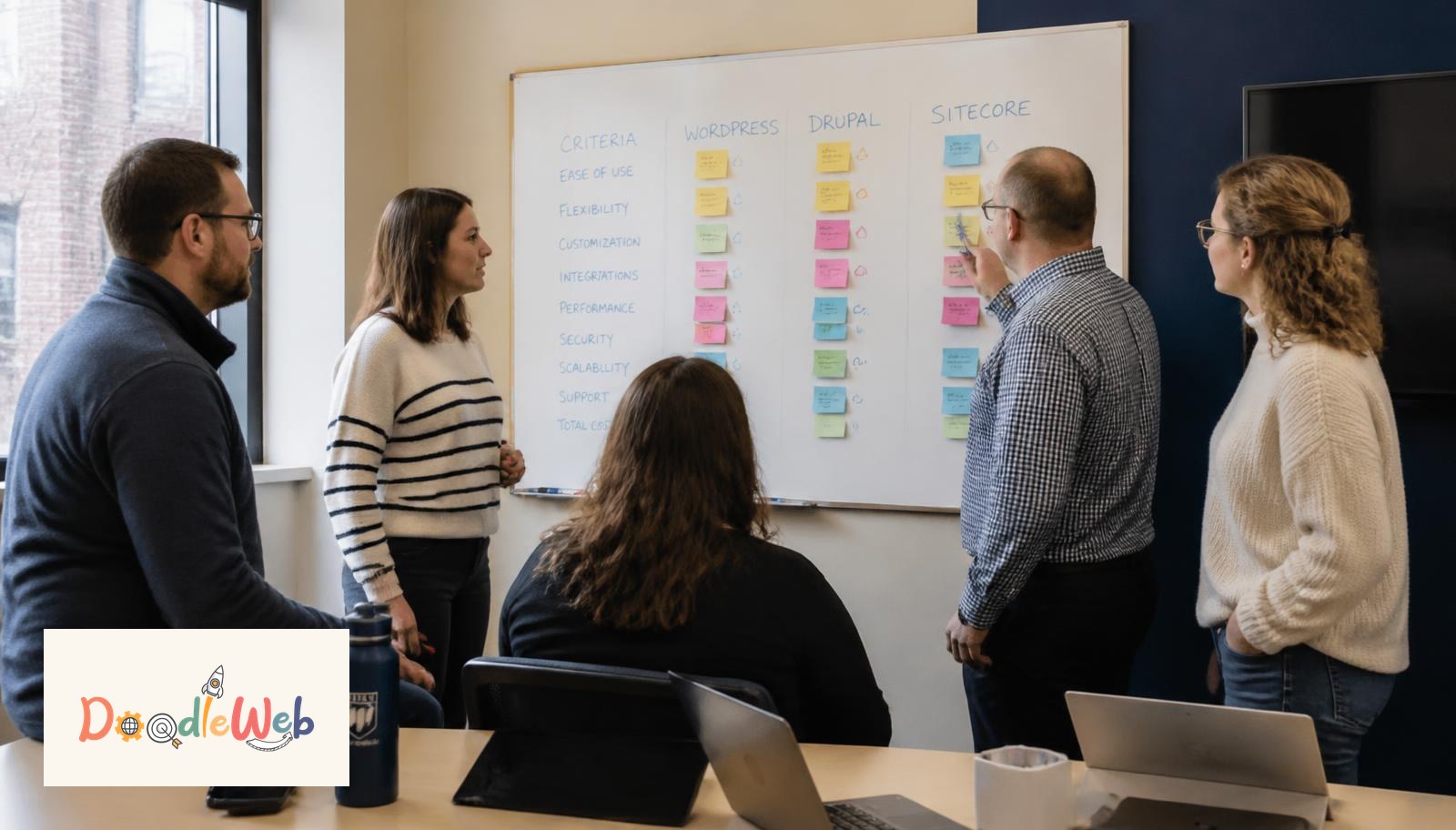
Read the nine web development factors for growing colleges, how to choose a college website platform, or how to fix slow university websites. Or book a working session with our higher-ed team.
Seattle agency · Seattle, WA
A full-service digital agency working in WordPress, Drupal, Shopify, Webflow, React, and React Native. We partner with universities, nonprofits, governments, and growing brands to ship sites that hold up after launch.